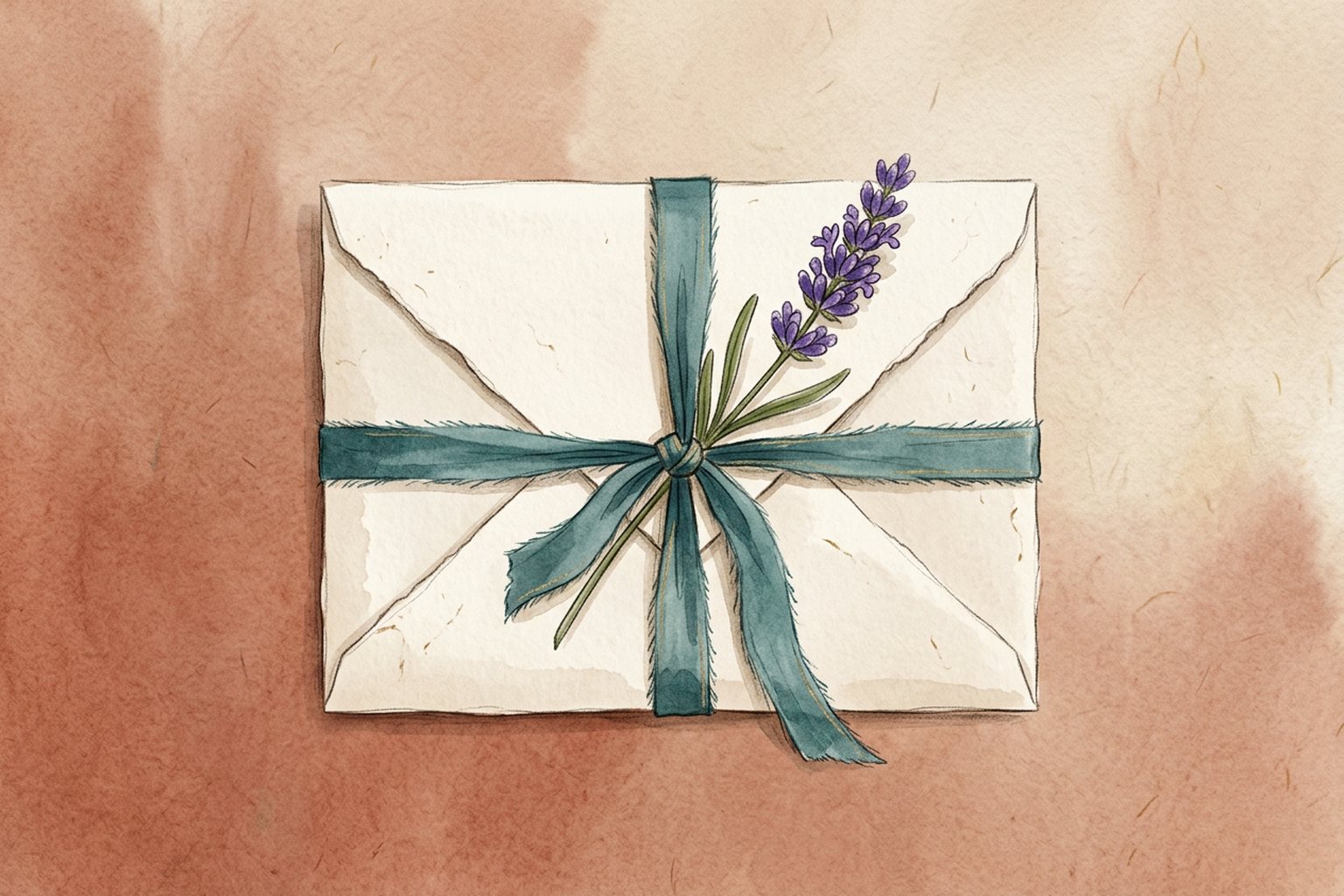
Some people wince at the words love letter. Here, love means warmth and close attention, the kind you give a good friend who has had a rough week, whatever your life looks like. No partner is needed. The aim is a letter that feels honest and specific, not glossy.
What a love letter to yourself is and is not
A love letter to yourself pays attention to you. It notices what you do well, what you enjoy and what you are still learning. It is not a list of compliments, and it is not a pep talk. It does not claim that you have no flaws, and it does not promise that your life will change because you wrote it.
A quick test helps. Would a close friend recognize you in the letter? If the answer is yes, the letter is on track. If it reads like an advert for someone you barely know, rewrite the lines that sound too polished.
If the phrase love letter still feels awkward, call it a warm letter in your notes. The name matters less than the attention you give the page. The tone comes more naturally once you stop trying to sound moving.
Keep it specific about habits, traits and small moments, warm without exaggeration, and include one honest thing you are still working on. Skip superlatives such as ‘the best’ and anything that reads like a dating profile, and do not tell yourself how you must feel.
Pick a delivery date for the letter. It reaches your inbox that morning, sometime between 8:00 and noon in your time zone. You get no copy by email when you write it, so keep your own.
Notice what you already like about yourself
Start with what is already good, and be exact about it. “I am kind” is a label. “I drove a neighbor to the clinic on a wet morning, and I stayed in the waiting room with her” is a memory. Specific details sound like you, and they are harder to dismiss.
Start with these questions, and check your calendar if they feel vague:
- What did I do this month that I am glad about?
- What do people come to me for?
- Which of my habits makes an ordinary day easier?
Write one short paragraph for each answer, and keep the sentences plain. You do not need to find a grand reason for any of them. A habit that helps you get through a Tuesday is worth naming.
Think of a time someone thanked you without expecting anything back. What did you do that made them feel that way? Write that down in your own words, and keep the sentence even if it feels small.
Describe the ordinary moments you want to keep
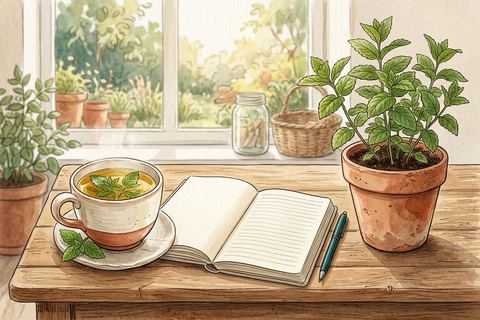
Ordinary moments matter more in a love letter than big events. Describe a weekday morning, the first cup of coffee, the sound of the street, or the way you laugh at the same jokes. These are the details your future self is most likely to forget, and they are easy to write down.
Pick one moment and slow it down on the page. Where are you standing, and what is on the table?
A few sentences of this kind will do more for the letter than a list of adjectives. The same moment can return in later letters, so a Tuesday in one year becomes a useful comparison in the next.
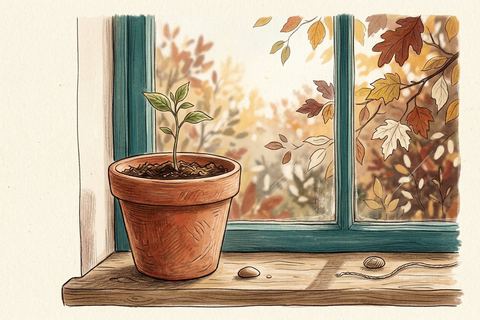
Look for two kinds of moment: the routine you protect every day, and the place you go to think or rest.
Use a first name or a role for other people, not a full name. A line such as “my closest friend from work” does the job well and keeps the letter focused on you.
Keep the tone honest, not glowing
Include one honest flaw you are working on. Write it plainly, with a sentence about what you are trying: “I still put off hard phone calls, and I am trying to make one a week.” That line makes the warmth believable, because it shows that you see yourself clearly.
Avoid lines that sound like an advert, such as “you deserve everything” or “you are one in a million.” Those phrases sound lovely at first, and then they feel empty. A small, true sentence will carry more weight than a grand one.
“You are wonderful, and everyone adores you” sounds kind but says nothing specific. “You remembered your sister's birthday last year, and the message you sent made her week” is warm because it names what happened and needs no exaggeration to land.
Make no assumptions about relationship status, gender or family. Use “you” and “I”, and avoid labels that might not fit the person reading. If you find yourself writing about a relationship, check whether the sentence still makes sense if you leave it out.
A sample love letter
A short sample shows the tone. It is warm, specific and honest about one habit, and it does not try to sound grand.
Dear future me,
I love how you still laugh at the bad jokes, even when nobody else is laughing. You have a habit of making tea for whoever walks in tired, and I hope you still do that.
I also hope you have learned to rest without feeling guilty. Today I am still working on it. I take a short walk after lunch, and I try not to check my phone for those 20 minutes.
[your name]
Notice that the sample names two habits and one thing still in progress, and then it stops. Stopping early is part of the warmth, because the reader can finish the thought themselves.
Write it now
Start with one thing you already like about yourself, and say why it matters. Add one ordinary moment you want to keep, and one honest thing you are working on. Read the draft once, and remove any line that sounds like an advert. Then choose the date and write the first line.