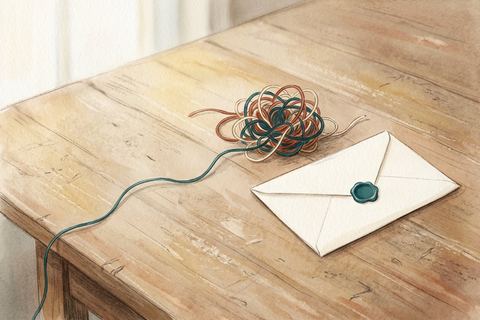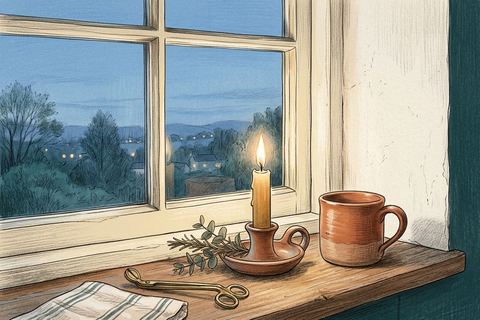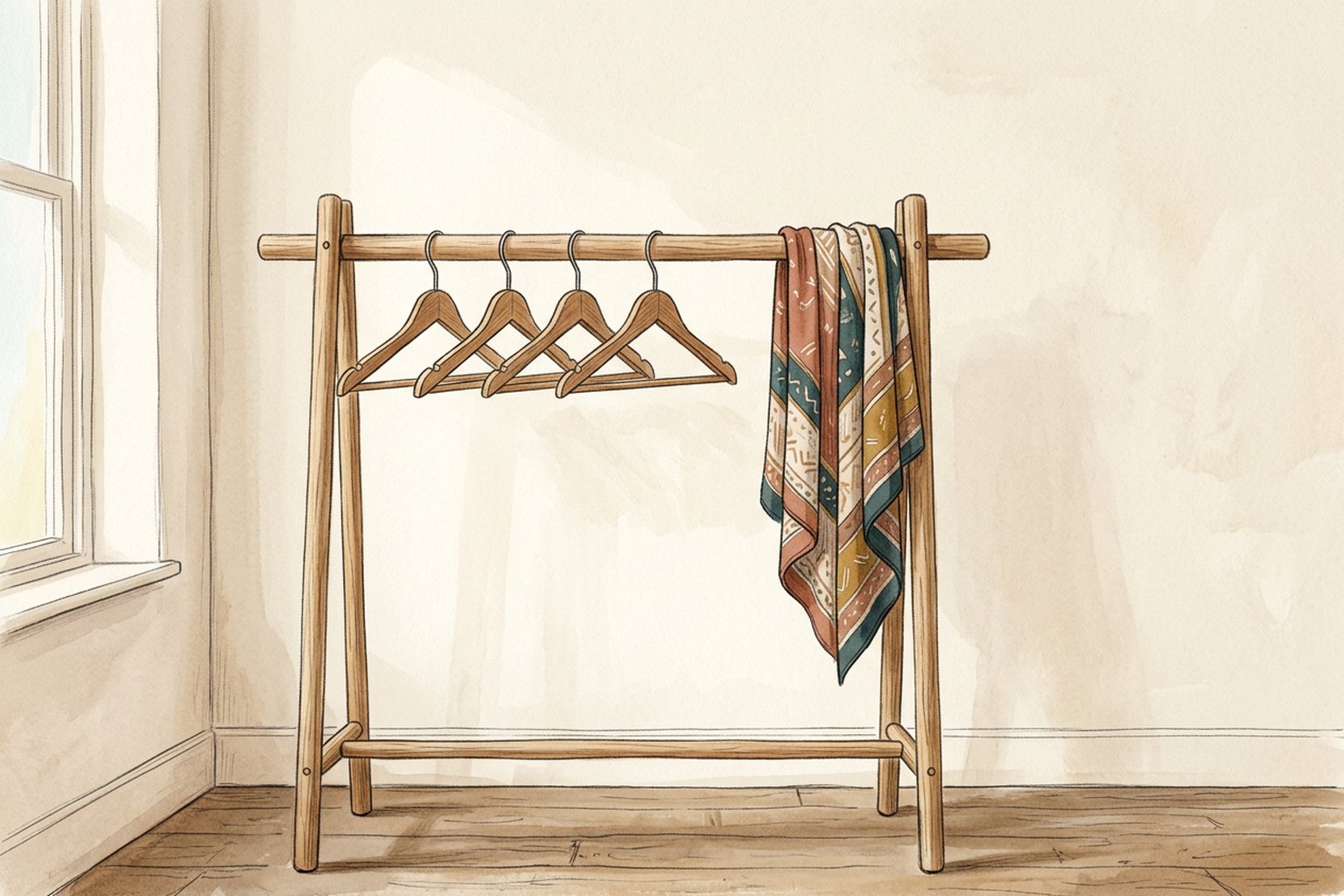
In the first weeks after a breakup or a divorce, people write letters they never send. To the ex, to the lawyer, to the ceiling. The words need somewhere to go, and for a while that is enough.
This article suggests one more letter, to a different reader: yourself, a year from now. It is written in the raw part, when the closet is half empty and Sundays are strange. A year later, it will tell you where you started, and how far the road has gone.
Why a year is the right distance
Three months is too soon for most people. The pain is still near, and the letter would arrive before much has changed. Five years is so far that the details have gone, and the letter may feel like it belongs to someone else.
A year has a useful shape. It contains every season, every holiday and every anniversary once. You will have gone through the dates you were dreading and found out what they were like. And a year is short enough that the words you write tonight will still fit the person who reads them.
What to write while it is raw
Write what is true, not what is fair. You do not need a verdict on who was right. Write this letter as a record, not as a case.
Describe the apartment, the bed, the quiet. Say what you eat and what you do at six in the evening. Say what you are afraid of and what you are relieved about, if anything, because both can be true at once. Include what you are proud of deciding, even if it feels small.
Do not make yourself sound stronger or weaker than you are. Your future self knows how this part felt. They will recognize the honest version.
What you are not ready to call growth
People often feel pressure to say that a breakup has taught them something. You are allowed to skip that. If you are not ready to call this a lesson, write “I am not ready to call this anything yet.” That sentence lets the person reading a year later see what changed without being told what to feel about it.
Questions for your one-year self
End the letter with questions only the future you can answer. Pick the ones that fit:
- What does a Sunday look like now?
- What did you relearn how to do alone?
- When did the first genuinely good day come?
- What did you keep that surprised you?
- Which friend turned out to be a real one?
- Do you still take the long way home to avoid the old street?
- What do you wish you had said to me tonight?
Keep the list short. Three or four questions are plenty, and you can add more in the next letter.
What to keep out
Letters are stored as plain text, and a letter about a breakup can easily collect things you would not want seen. Leave out blame, legal details, financial figures and anything about children that you would not want to see in an inbox. You can write “the arrangement we are working out” instead of the specifics.
There is also a practical point. Use an email address that only you can read. If you and your former partner shared an account, or if they know your password, choose a new one before you write. The letter goes to the address you enter, and nothing can be edited or redirected once it is saved.
Writing it kindly
It is natural to write angrily, and some of that may belong in the letter. But try to end on something gentler. One kind sentence to yourself is enough: “You did what you could with what you had.” A year from now, that sentence may be what you remember.
If you are tempted to write a letter to the other person, write that one separately, and decide later whether to send it. This letter is yours alone.
When to send it
Pick a date a year out, or a day that matters to you, such as the date you moved out. Skip the old anniversary unless you want that weight on the day. We email the letter that day, between 8:00 and noon in your time zone. Nothing is emailed when you write, so keep a copy if you want to look at it sooner, and remember that a saved letter cannot be edited or cancelled.
If the date turns out to be hard, that is useful to know. A year from now you may be ready to read it, or you may need a quiet afternoon. You are free to wait before you open the email.
When it arrives
Read it once through without judging the person who wrote it. They were doing their best in a hard season. Then go back to the questions and answer them, perhaps in a new document, perhaps aloud.
You may find that some things changed more than you expected, and that others are exactly where you left them. Both are normal. Grief and relief do not follow the calendar, and there is no right amount of progress after twelve months.
A note on care
A breakup can bring up grief, anger or a sense of being lost, and a letter cannot carry all of that. If your sadness is not easing, or if you find it hard to sleep, eat or go to work, please talk to a doctor, a counselor or someone you trust. If you ever feel unsafe, contact a local emergency number or a crisis line right away. The letter is company on the road. It is not treatment.
A sample letter
Dear future me,
It is a wet Sunday and the closet is half empty. I have been eating cereal for dinner and sleeping on my side of the bed. I am proud that I made the decision and I am not ready to call it growth. I am afraid of the first holiday. Do you still take the long way home to avoid the old street? What hangs in the closet now? Be gentle with whatever I did this winter. I did my best.
[your name]
Write it now
Take twenty minutes tonight and describe where you are, in plain sentences. Add three questions for the person you will be a year from now, and one kind line for yourself. Use an address only you can read, choose a date twelve months away, and send it.