The writing box is open. Your cursor is blinking. Your week contained a supermarket, a bus ride and a spreadsheet, and you are fairly sure none of it is worth a letter.
It is. Nothing exciting has to happen for a letter to be worth reading. Below is a ten-minute skeleton you can fill with an ordinary week, and by the end you will have a real letter.
You do not need a five-year plan
A lot of advice about these letters starts with goals and a vision. That helps if you have them. If you do not, it can make the blank box feel worse.
You can skip all of that. A letter to your future self is, at its simplest, a note from someone who was there to someone who was not. You are the person who was there. Describe the place.
The ten-minute skeleton
Set a timer for ten minutes and work down this list. Each step takes about a minute and a half, and you can write in plain, short sentences.
- The date, and what the weather is doing.
- Three true things from this month.
- One thing that is bothering you a little.
- One thing you keep meaning to say to someone.
- One question for your future self.
- A sign-off.
That is a full letter. If you write only two sentences for each step, you will end up with a page that reads like you.
What boring details do in ten years
The things that feel too ordinary to mention are the first to vanish. In ten years you will not remember the price of bread, or which bus you took. A few years on, those details tell you more about your life than any resolution you made.
Name the cashier who calls you sweetheart. Say what your street sounds like at six in the evening. Write down the thing you searched for last week and did not find. Say what you ate last night. When the letter arrives, these small facts will do the work that a big plan could not. The unusual parts of your life will stand out by comparison, without any help from you.
Three true things
Step two is the heart of the letter, so give it a moment. A true thing is something you could point to. It does not have to be important or clever.
For example:
- I started walking to work on Thursdays.
- My neighbor's dog has learned to open the gate.
- I finally replaced the lightbulb in the hallway.
Notice that none of these is a lesson. You do not need to explain why they matter. Your future self will supply the meaning.
One question is enough
Ending with a question gives the letter a job. You do not need a deep one. Pick whichever of these feels easiest:
- Do you still walk to work on Thursdays?
- Does the dog still open the gate?
- Who is the new person you talk to every day?
The question should be about something you can see changing. A simple one will get a surprisingly rich answer in your head when you read it.
How long it should be
The writing form will not accept a letter shorter than 10 characters, and it takes up to 30,000. Neither limit is a goal. Seven honest sentences make a complete letter, and three hundred honest words will mean more to you later than three thousand performed ones.
If you are not sure whether to stop, read your letter once, aloud if you can. If it sounds like you, you are done.
If you get stuck
If you freeze on a step, skip it. If all six feel hard, answer one: what is the weather doing right now? Write a sentence about that. Then write another about what is on your desk. Often a letter starts as a weather report and turns, a few lines later, into something you did not plan.
If you started a letter once and abandoned it, starting over is allowed. The old draft cost you nothing.
You can also lower the bar further. A letter that says “It is Monday, it is raining, I had toast, I hope you are well” is a real letter, and you will be glad you sent it.
If it feels embarrassing
Many first letters feel a little silly while you write them. You are talking to someone who is, technically, you. That is normal, and it usually passes after the second paragraph.
Remember who the reader is. Your future self will not judge your spelling or the plainness of your week. They will be glad that someone took ten minutes to tell them how things were. After you send the letter, close the tab and get on with your day. The next time you think of it will probably be the morning we email it to you.
Pick a date and send it
For a first letter, a date a few months out is easy to imagine. Three months is a good place to start, and a year is just as good. The quick choices run from one day to three years, and you can choose any date up to 20 years away.
The first time you send a letter from a browser, the site emails a 6-digit code to the address you entered. Type it in within 15 minutes, and check your spam folder if it is not in your inbox. After that, the browser stays signed in for about 180 days, so your next letter skips this step.
We email the letter on the day you chose, between 8:00 and noon in your time zone. A saved letter cannot be edited or cancelled, so give it one last read, and copy the text somewhere if you want to keep it. It goes only to the address you entered, so use an inbox you do not share. Letters are stored as plain text, so leave out passwords and anything you would not want seen.
A sample ordinary letter
Dear future me,
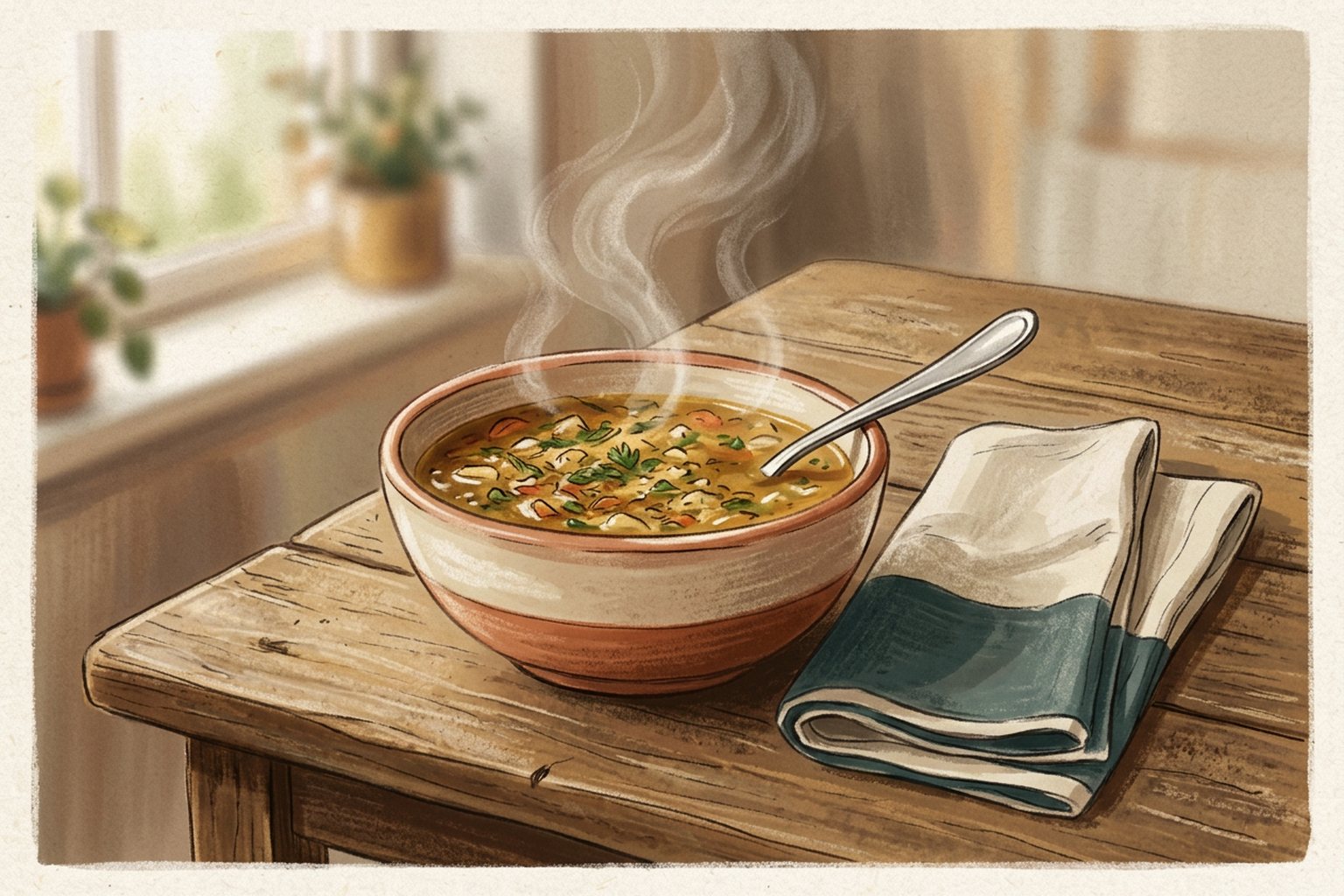
It is a gray Wednesday in October, and the rain has not stopped since breakfast. Three true things: I make the same lentil soup every Sunday because it is cheap and good, the bus has been late all month, and I finally called my cousin back. What bothers me a little is the evening course I keep not signing up for. I keep meaning to tell my sister that her voice message made my week. Do you still make the soup?
[your name]
Write it now
Set your timer for ten minutes and work through the six steps. Keep your sentences short and your details small. When the timer rings, add a date and send your first letter.