A new baby changes a great deal in a short time, and the early weeks can blur together in memory. Writing to yourself before and after the birth gives you two honest snapshots of the same person. This article gives you a method for both letters, a note on support, and a sample from the first year.
The letters are for you. They do not need to be cheerful.
Writing before the baby arrives
Start writing before the birth, while you can still picture the coming months. Write what you hope for, what you plan to do, and what you are afraid of. Keep the three parts separate, so the fears do not crowd out the hopes.
You do not need a detailed plan in the letter. Describe the home you expect and the people you expect to lean on. Name one thing you want to protect for yourself, such as a walk, a shower or a quiet cup of tea.
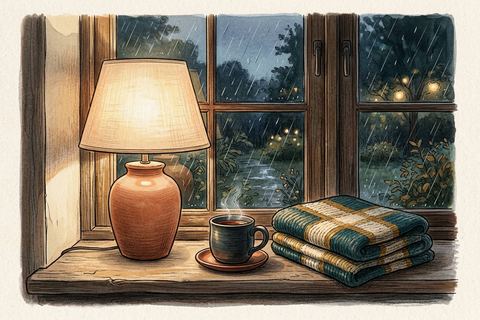
It can help to write this letter in a quiet place, with the things you have prepared for the birth nearby. Keep it short. Two or three paragraphs are plenty for this first snapshot.
Before the birth, write these three things:
- One hope for the first months
- One plan you have made, however small
- One fear, named plainly
Choose a delivery date that falls after the first weeks. The email comes on that day. You can pick a specific date further away, or a preset such as “one month” or “3 months” if it lands where you want it.
The success message does not include the text, so keep a copy. Births may not follow the plan, so read this letter again before the delivery date. If it no longer fits, write a new one, because the site does not let you edit or cancel a letter once it is scheduled. The letter is only a record of what you thought at that point.
Writing after the first weeks
Write the second letter after the first few weeks, when you have some sense of the rhythm of the days. Describe what you did not expect and what helped, even if the help was small. A neighbor's soup, a friend who folded the laundry, or a note from someone in your home all count.
Be specific about the hard days, but do not try to write the whole story of the worst one. One honest paragraph is usually enough. Choose a delivery date for this letter as well. The baby's first birthday is a natural choice, because by then you will have a year of days to measure the letter against.
Notice what you are doing well, even on a messy day. Keep a short list of things that helped, from the ordinary to the meaningful.
If low mood lasts, or it feels heavy, talk to a doctor, midwife or nurse soon. You do not need to be in crisis to ask for that help. If you have thoughts of harming yourself or the baby, contact emergency services now.
A letter is not a substitute for that support, and it cannot check on you. It can only hold what you write, so please share the hard parts with the people who can act on them.
What you feared and what you learned
Put the two letters side by side. Take each fear from the first letter and write what happened to it. Some fears will have been smaller than they felt, and some will have been close to the truth. Both are worth knowing.
If a fear was not met at all, say so plainly. If one came true in a different form, describe that form. Both kinds of note help the reader see how fears change once the baby is in the house.
For each fear, answer three questions:
- What did you expect would happen?
- What actually happened?
- What did you learn from it?
Then write one lesson about yourself, such as “You can ask for help before you are exhausted,” or “You need a walk outside most days.”
An optional letter to your child
Some parents like to write a letter to their child, to be shared later. This section is optional. You decide what goes in it, and whether to share it at all. Write as the adult you are now, with honest notes about the first weeks.
This service is not intended for children, so a child does not write or receive letters here. The service sends every letter to the email address you enter, which means a letter written for your child comes to you. Keep it, or pass it on when you are ready. That decision belongs to you.
Keep the child's letter short. A line about the day you first met, and a line about what you hope they will know about your home, is enough. You can write more on another day.
A sample letter from the first year
Here is a short letter from the first year. It admits exhaustion and records one moment of joy.
Dear future me,
I am writing this at three in the afternoon, still in the shirt I put on yesterday. I am tired in a way I did not expect, and some days I do not feel like myself at all.
This morning, [child's name] fell asleep on my chest while the radio played quietly. I did not move for an hour. That is the moment I want to keep.
If you are reading this, I hope the nights are easier now. Ask for help when you need it. You are allowed to be tired.
[your name]
The letter does not pretend that the year is easy, and it does not promise that every day will feel good. It asks the reader to accept help. You can use the same balance in your own letter, with the details that are true for your home.
Write it now
Write your first letter now, with one hope, one plan and one fear, and choose a delivery date after the first weeks. Set a note in your calendar to write the second letter when the baby is a few weeks old. Keep a copy of both letters, and if the heavy feeling stays, talk to a doctor, midwife or nurse.